When you think about the history of software development, you probably imagine Silicon Valley startups and developers in hoodies. But the story actually began in 1843 with a woman named Ada Lovelace.
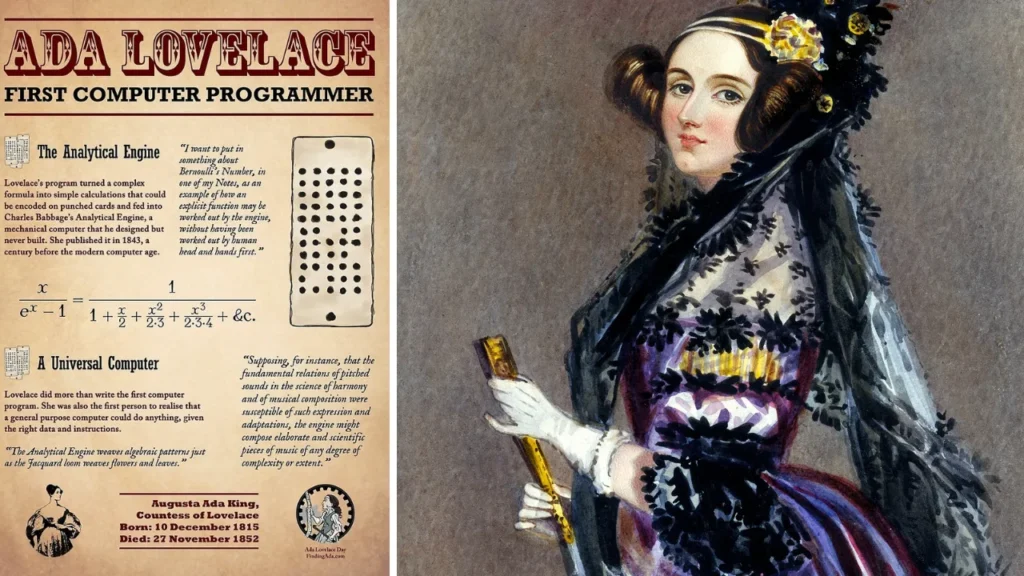
She wrote the first algorithm for a machine that hadn’t even been built yet. More importantly, she understood something revolutionary: machines could do more than just calculations. They could follow instructions to create anything.
That idea became the spark that started modern software development.
The Early Days: Holes in Paper (1940s–1960s)
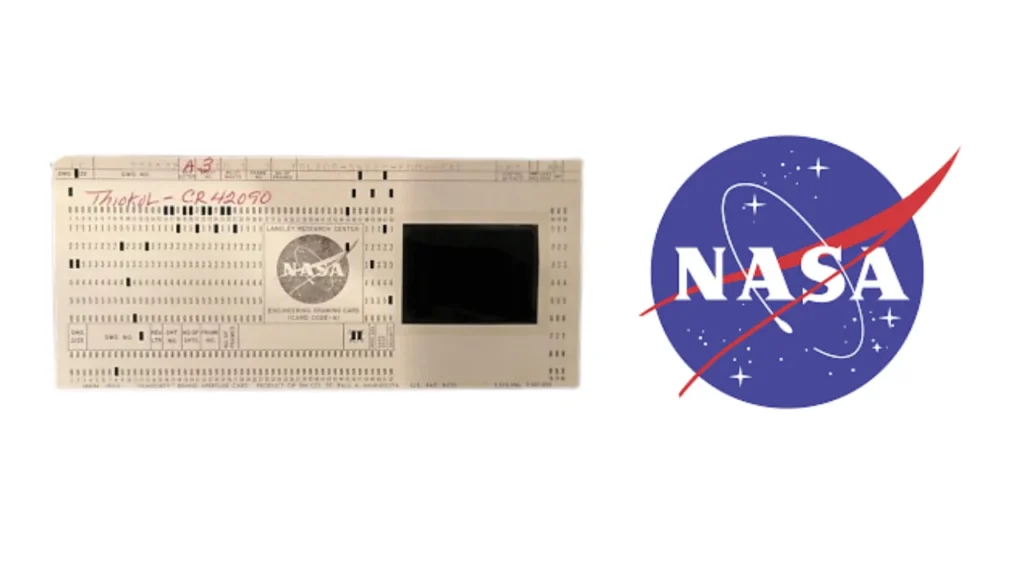
In the beginning, programmers didn’t “type” code like we do today. They punched holes into stiff paper cards to give computers instructions.
One tiny mistake could make the entire program fail. There was no “undo” button back then.
Important Moments from This Era
- 1945: Scientist Grace Hopper discovered a real moth inside a computer. That’s where the term “computer bug” came from.
- 1957: A programming language called FORTRAN was created. For the first time, humans could communicate with computers using words instead of only numbers.
- 1960s: NASA used punch-card programming to help send humans to the moon. Imagine launching rockets using stacks of paper.
The Rise of Personal Computers (1970s–1980s)
During the 1970s, software development moved out of giant research labs and into people’s homes.
Companies like Microsoft and Apple changed everything by making software easier and more user-friendly. Instead of typing complicated commands, people could click icons using a mouse.
Software became something ordinary people could buy at stores on floppy disks.
This era transformed computers from machines for scientists into tools for everyone.
The Internet and the Cloud (1990s–2000s)
Then the internet arrived, and software evolved even faster.
Programs no longer live only on your computer. Software moved to “the cloud,” allowing people to use applications directly through websites without installing anything.
In 2007, the iPhone changed the world again. Suddenly, powerful software fit inside your pocket.
Building software became easier than ever, and millions of people around the world started creating apps, websites, and digital products.
Too Much of a Good Thing: The Modern Problem

This brings us to today.
Because software has become so easy to create, we now face a new challenge: software overload.
In the past, people used one program for writing and another for calculations. Today, many professionals use ten or more apps just to get through a single workday.
We have:
- Apps for communication
- Apps for meetings
- Apps for project management
- Apps for customer support
- Apps for documentation
Instead of software simplifying our lives, we often spend more time managing software itself.
This digital overload has become one of the biggest productivity problems of modern work.
Modern Problems Need Modern Solutions
The history of software development teaches us something important:
As technology becomes more complex, people eventually search for ways to make it simple again. The tools that succeed are often the ones that remove friction instead of adding more features.
We are now entering a new era where businesses don’t necessarily need more tools. They need their existing tools to work together seamlessly.
This is why many companies are exploring platforms like AirChannel to reduce digital noise, unify workflows, and simplify communication across teams.
The future of software is no longer about adding more applications. It’s about creating connected systems that work smarter together.
What’s Next?
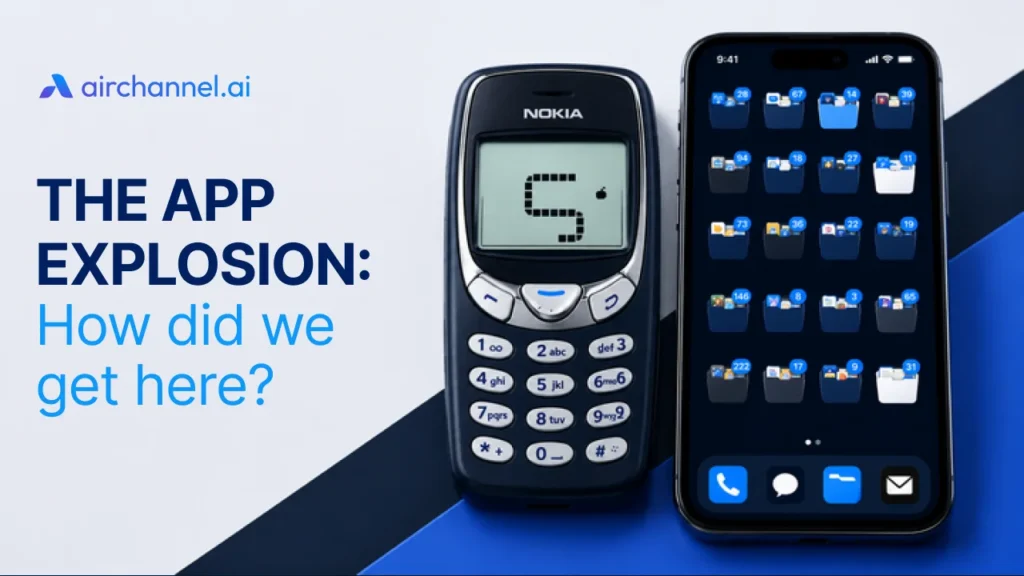
When the App Store launched in 2008, it started with only 500 apps.
Today, there are nearly 2 million apps available.
How did we get here?
In our next post, we’ll explore the History of Apps and how one smartphone changed the way humans live, work, and communicate forever.
You won’t want to miss it.